A Rum site
A look at the many faces of Rum
Mention the Caribbean to people and many will think of sun, sand, sea and…rum. Rum Punch, Rum and Coke, Bacardi… Live in the Caribbean and it’s just there – cheap and ubiquitous. This site is dedicated to, and will take a close look at, the many faces of rum.
In the Caribbean, the rum shop is often the centre of community life – the focal point where basics can be bought and men play dominoes, during and after which a shot of rum is had.
Of course, there’s rum and there’s rum. In a small island like Dominica, locally-made brands like Macoucherie (the only one made with local cane), Soca and Red Cap share the market, although a number of imported brands are popular – like Cavalier from Antigua, Appleton from Jamaica or Mount Gay from Barbados.
Cheap as bottled rum is though, in terms of volume Cask rum predominates the Dominican market. Produced by the same companies making the bottled rum, cask rum is literally decanted from casks in a kind of bring-your-own-bottle arrangement.
Cask rum is often used to blend with various herbs and spices to produce some potent mixtures. This is spice. Indeed, any herb or spice might do, but popular local additions are cinnamon or rosemary. Then there is the infamous ‘bois bandé’. Medically proven to induce a state of how shall we put it, tumescence, several cases a year are reported in countries like Trinidad where unfortunates are unable to ‘get it down’. In Dominica, it’s illegal to take the bark from the bois bandé tree, though whether that to protect the tree or the individual I’m not sure.
Illegal also is moonshine or mountain dew. I’m told though that the last time there was a clampdown, the national board which sells sugar to the Dominican public reported a 50% drop in sales. Needless to say, the sunrise industry of moonshine continues.
Bay Rum is also featured on this site, but it is the only kind of rum you do not want to drink!
We hope you enjoy your visit.
History of Rum
“Rum is an alcoholic beverage distilled from sugarcane by-products that are produced in the process of manufacturing sugar. Molasses, the thick syrup remaining after sugarcane juice has been crystallized by boiling, is usually used as the basis for rum, although the juice itself, or other sugarcane residues, is also used. The molasses is allowed to ferment, and the ferment is then distilled to produce a clear liquid that is aged in oaken casks. The golden color of some rums results from the absorption of substances from the oak. The darker, heavier Jamaican rums–made for the most part in Jamaica, Barbados, and Guyana — are produced from a combination of molasses and skimmings from the sugar boiling vats; the darkest, Guyana’s Demarara, is produced by very rapid fermentation and is not particularly heavy bodied. The fermentation of other substances in the molasses enhances the liquid’s flavor and aroma.”
After distilling, the rum is sometimes darkened by the addition of caramel and is aged from 5 to 7 years. Lighter, drier rums from Puerto Rico and the Virgin Islands are more rapidly fermented with cultured yeasts and are aged from 1 to 4 years.
“The rum industry developed in conjunction with the growth of sugar plantations in the West Indies. The English were the first to adopt the drink (its name may be derived from a Devonshire word, Rumbullion, meaning “a great tumult”). Beginning in the 17th century, distilleries operating in New York and New England produced rum from West Indian molasses. Traders used rum profits to buy slaves in Africa; the slaves were sold in the West Indies for cargoes of molasses that became New England rum. The attempt by the British to levy heavy duties on molasses imported from the French and Spanish West Indies was an important factor in pre-Revolutionary colonial unrest in America.”
Source: Grolier Encyclopedia
Spice
In Dominica, ‘spice’ is the generic name given to any rum to which a local herb or spice has been added and allowed to impart its particular flavour. The most common ‘spiced’ rums are:
- spice which has had Cinnamon added
- nannie which is Rosemary
- l’apsent which is absinthe/aniseed
- pueve which is creole for ‘pepper’
Spice is an acquired taste, best drunk in one go…
Macoucherie Rum
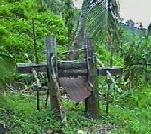
With a history dating back to pre-war years, Dominica’s major rum distillery has seen up and downs. The Macoucherie Estate has been in the Shillingford family for several generations and is now the only (official) distillery on the island to produce rum from local cane. Not any cane however is up to the job – Macoucherie uses only that grown on its estate.
Producing 10,000 gallons annually, and up to four types of bottled rum, it’s a large operation.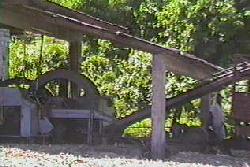
But the processes are essentially the same as that of the small-scale operation producing the moonshine.
Sales are said to be up, which includes that of the export market.
Rum Reading
 >
>

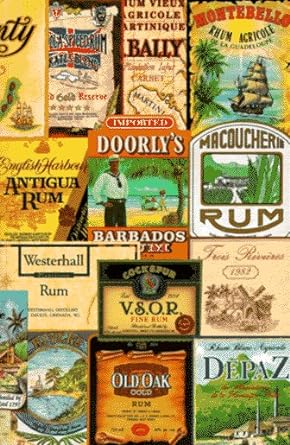
Rums of the Eastern Caribbean by Edward Hamilton
The book is a complete guide to Caribbean rums and entertaining reading as well.
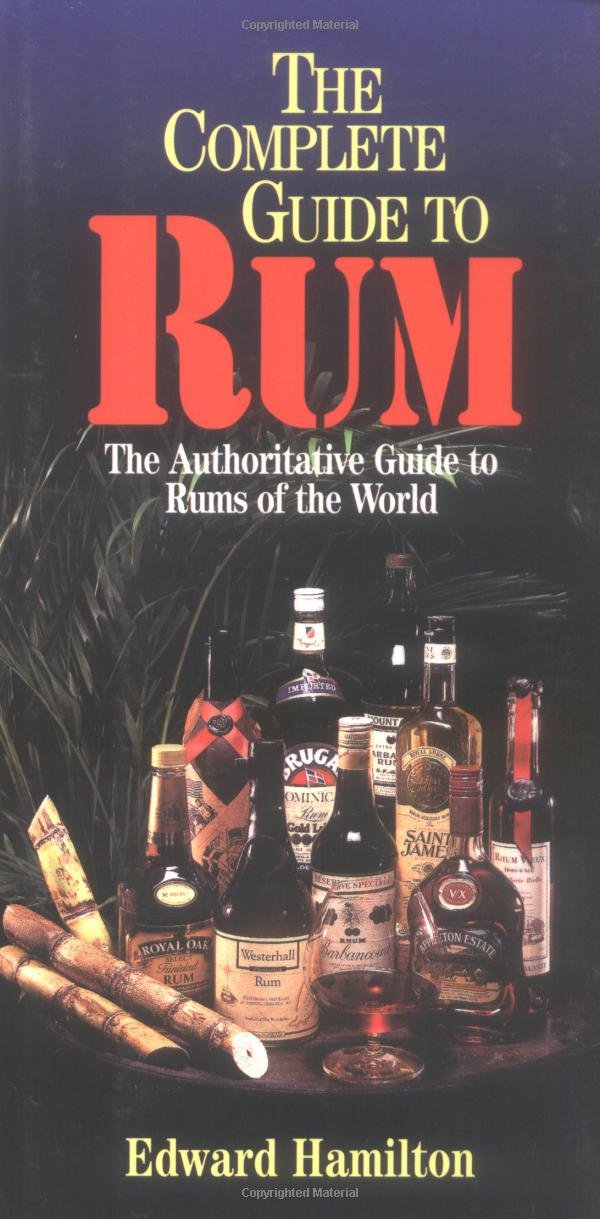
The Complete Guide to Rum: An Authoritative Guide to Rums of the World (Complete Pocket Guides) by Edward Hamilton
You won’t believe there is so much to learn about rum…
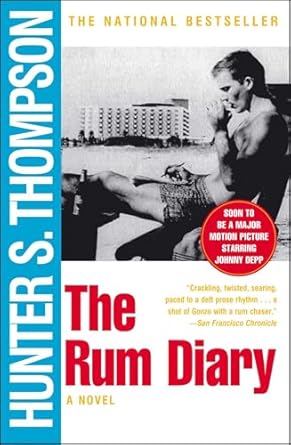
Hunter S. Thompson’s The Rum Diary is a novel involving drinking lots of Rum in the Caribbean. It is a a brilliantly tangled love story set in Puerto Rico in the 1950’s and it was made into a film starring Johnny Depp.
Caribbean Rum: A Social and Economic History by Prof. Frederick H. Smith
“The most significant contribution to the history of Caribbean rum since John McCusker’s Rum and the American Revolution.”
Other Rum Sites
Rum and the rest of the world
Barbados where it all started.
Malibu Rum … seems like one non-stop party on this site!
Bundaberg Rum from Australia
Barcelo Rum from the Dominican Republic
Celebration Distillation The home of New Orleans Extra Premium Rum, the only rum made from Louisiana Sugar Cane and the only premium rum distilllery in the continental US.
Petr’s Rum Labels Site
The Ministry of Rum dedicated to the understanding & appreciation of the Noble Spirit – Rum
Captain Morgan
For a general overview, try Fun Facts on Alcohol and Drinking
Visit our friends at The Wine Cave Home Page
More about Dominica's History